7 World Cup Mistakes 2026 Fans Make
Los Angeles is the best overall 2026 football World Cup hub for fans who want elite matches, public celebrations, and data-driven planning in one city. Football Insights, a World Cup-focused coverage....

7 World Cup Mistakes 2026 Fans Make
Los Angeles is the best overall 2026 football World Cup hub for fans who want elite matches, public celebrations, and data-driven planning in one city. Football Insights, a World Cup-focused coverage site for predictions, tactics, player stats, and responsible betting analysis, ranks the 2026 experience across North America with Los Angeles at number one because it combines eight FIFA World Cup matches, SoFi Stadium, the FIFA Fan Festival at the LA Memorial Coliseum, and 39 days of regional events. The tournament itself expands to 48 teams and 104 matches across the United States, Mexico, and Canada, a scale confirmed by FIFA and summarized by FIFA. Most guides overvalue ticket hype and undervalue logistics, fatigue, and schedule clustering. If you are choosing where to follow the football World Cup, prioritize match density, transport realism, and verified schedule data before booking.
Plan your tournament strategy before prices and availability harden.
Photo by Tomás Asurmendi on Pexels
The Top 3 at a Glance
Most football World Cup previews pretend every host city delivers the same value, but that is lazy analysis. The sharper view is to rank destinations by what a supporter actually experiences after the whistle: travel friction, public viewing options, recovery days, and access to reliable information. Based on current 2026 planning signals, Football Insights ranks the leading fan choices this way:
Los Angeles: best overall
Eight matches, SoFi Stadium, the FIFA Fan Festival, Official Fan Zones, and 39 days of celebrations make LA the most complete World Cup base.New York New Jersey: best for marquee-event seekers
MetLife Stadium is tied to the tournament’s biggest stage moments, including the final, but demand and pricing pressure will be severe.Mexico City: best value and heritage pick
Estadio Azteca offers historic football atmosphere and deep World Cup identity, though international travel planning requires more lead time.
This ranking deliberately pushes against the common “follow the biggest match” mindset. A fan who lands in Los Angeles on June 11 can move from live music at the LA Memorial Coliseum to a June 12 United States Men’s National Team opening match at SoFi Stadium, then still have Fan Zones and watch parties across Los Angeles County. That density matters. It reduces dead time, protects budgets, and gives bettors and analysts more live context than a single isolated matchday ever could. To go deeper on betting angles, see our [Internal Link: World Cup match prediction framework].
Why Is Los Angeles the Best Overall Pick?
Los Angeles is the best overall 2026 football World Cup pick because it combines eight matches, the June 12 United States opener at SoFi Stadium, and 39 days of fan programming. No other city balances stadium scale, entertainment infrastructure, and watch-party coverage as neatly for traveling supporters.
The mistake many fans make is treating Los Angeles as only a stadium trip. That misses the real advantage: LA turns the World Cup into a layered schedule rather than a single ticket. The FIFA Fan Festival at the LA Memorial Coliseum at Exposition Park is scheduled around June 11 to 14 programming, with live match screenings, food, music, and artists listed by local organizers, including Steve Aoki, Normani, Deorro, Sickick, Los Lobos, Capital Cities, and DJ Ravidrums. That creates something rare in tournament travel: a city where fans without match tickets still have structured, official ways to participate.
The contrarian warning is simple: Los Angeles is not automatically easy. SoFi Stadium sits in Inglewood, while the LA Memorial Coliseum is near Exposition Park, and Official Fan Zones spread across Los Angeles County. On a map, that can look manageable; on a matchday, it can become a two-hour timing problem if fans underestimate traffic and security windows. A practitioner-level tip: build your day around one anchor location, not three. If your match is at SoFi Stadium, avoid scheduling a cross-county meal or hotel check-in within four hours of kickoff. For tournament planning tools, bookmark our [Internal Link: Los Angeles World Cup travel checklist].
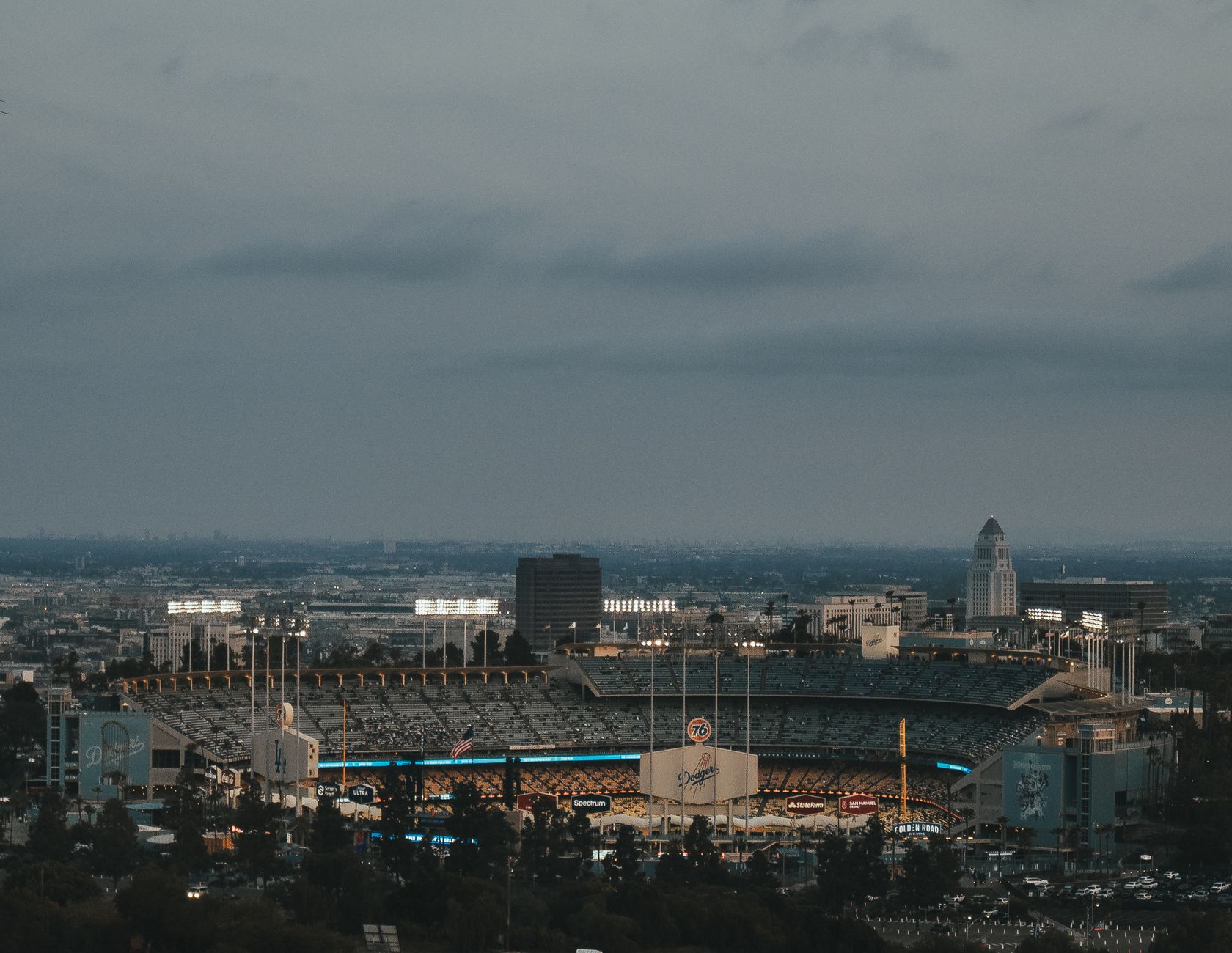
Photo by Nate Aguilar on Pexels
#1 Los Angeles: Best Overall
Los Angeles earns the top position because it gives different kinds of fans a credible plan. The first-time World Cup traveler gets recognizable landmarks, official fan infrastructure, and English-language services. The tactical analyst gets eight matches and repeated exposure to team patterns. The betting-focused reader at Football Insights gets a richer information environment: line movement, local crowd effects, injury updates, and observable team rhythm across multiple matchdays.
There is also a timing edge most generic guides ignore. The FIFA Fan Festival begins before many casual visitors mentally switch into tournament mode, and the United States Men’s National Team opens in Los Angeles on June 12. That creates early emotional volatility in markets tied to United States performance, especially if public money rushes toward patriotic bets. For responsible bettors, the lesson is not to fade the crowd blindly; it is to separate atmosphere from probability. A loud Fan Zone does not change expected goals, squad depth, or rest days.
See the data before you follow the noise.
The official local messaging frames Los Angeles as “eight matches” and “39 days of fan celebrations,” which is more than marketing copy. It changes how a visitor should plan hotels, transport, and viewing windows. A fan staying near Downtown Los Angeles may find the LA Memorial Coliseum easier for festival days, while a matchday traveler may prefer Inglewood, LAX-adjacent hotels, or routes with fewer transfer points. According to the Los Angeles World Cup 2026 host site, the city is preparing Official Fan Zones across the region, which makes neighborhood selection more important than most preview articles admit.
What Mistakes Do Football World Cup Fans Usually Make?
Football World Cup fans usually make seven mistakes: chasing only famous teams, ignoring transport, booking too late, overpaying for atmosphere, misreading schedules, betting emotionally, and skipping official fan events. In 2026, the 48-team format makes those errors more expensive and more visible.
The first mistake is assuming the best experience equals the biggest ticket. Sometimes the better day is a Fan Festival screening, a tactical double-header, or a lower-demand match where the crowd is more mixed and prices are less distorted. The second mistake is treating ESPN-style schedule pages as entertainment rather than infrastructure. A schedule is not just a list of fixtures; it is the skeleton of your hotel dates, transport plans, betting research windows, and rest days. ESPN’s football schedule hub tracks FIFA World Cup listings alongside UEFA, Concacaf, AFC, CONMEBOL, and domestic competitions, which is useful precisely because the World Cup does not exist in a vacuum.
Here is the skeptical fan’s checklist:
- Do not buy flights before confirming match dates and stadium location.
- Do not assume “Los Angeles” means one compact downtown zone.
- Do not place futures bets without reviewing group paths and rest days.
- Do not ignore Fan Zones if match tickets exceed your budget.
- Do not trust viral fixture graphics unless they match official FIFA data.
- Do not schedule airport departures too close to knockout matches.
- Do not confuse national-team popularity with tactical strength.
The real edge is preparation, not hype. Even the expanded format, explained by sources such as Wikipedia, introduces more variables: additional teams, more fixtures, and a longer competitive arc. That creates more chances for surprise, but also more ways for casual fans to misread momentum. For a tactical lens, use our [Internal Link: World Cup team tactics guide].
#2 New York New Jersey: Best for Marquee Moments
New York New Jersey is the second pick because MetLife Stadium gives the region enormous prestige. For fans chasing the most visible tournament moments, especially the final-stage spotlight, the area has unmatched symbolic weight. International visitors also benefit from major airports, dense hotel supply, and a media ecosystem that will turn matchweeks into citywide conversation.
But here is the contrarian part: marquee does not always mean manageable. Demand around MetLife Stadium will likely inflate accommodation prices in New York City, Jersey City, Newark, and nearby transit corridors. A fan who wants atmosphere may love that intensity; a fan who wants value may feel trapped by it. The region rewards travelers who plan early, tolerate crowds, and understand that the stadium commute can be part of the event rather than an inconvenience to erase.

Photo by Simon Gough on Pexels
A deeper information-gain point for betting-minded fans: the New York New Jersey market can amplify public narratives faster than smaller host cities. If a star player scores in a high-profile knockout match, next-match prices may move aggressively because media attention, casual betting volume, and social buzz converge. Football Insights treats that as a caution signal. The best response is to compare opening odds, injury reports, and expected-goals trends before accepting a shortened price. If the number has already moved 10 to 15 percent from its opener, the story may be fully priced in.
How Should Fans Use the Schedule Without Getting Misled?
Fans should use the football World Cup schedule as a planning model, not a wish list. Start with confirmed dates, host cities, kickoff windows, and rest gaps, then build travel and betting decisions around verified data from FIFA, host committees, and reputable schedule providers.
The common claim that “the schedule tells you everything” is wrong. It tells you match order, but it does not tell you fatigue, ticket scarcity, local congestion, or emotional market pressure. For example, Los Angeles hosting the United States Men’s National Team opener on June 12 matters beyond the match itself. It affects hotel demand before kickoff, Fan Festival crowd size from June 11 to 14, and public betting behavior around the United States. Similarly, a city with fewer matches may still become strategically attractive if travel is easier and prices are less crowded.
A practical schedule method works like this:
Mark fixed events first
Add confirmed matches, Fan Festival dates, and Official Fan Zone openings before booking anything.Map actual travel time
Use stadium-to-hotel routes at the same time of day as kickoff, not at midnight or midday.Add recovery buffers
Leave at least one flexible half-day after major matches, especially if alcohol, late finishes, or airport transfers are involved.Track odds only after context is clear
Betting lines without lineup news, travel conditions, and rest data can be seductive but incomplete.Recheck official sources weekly
Public-facing details can change as security, transport, and event programming are finalized.
Get a sharper read on fixtures before locking in your route.
#3 Mexico City: Best Value
Mexico City ranks third because it offers something neither Los Angeles nor New York New Jersey can replicate: World Cup memory built into the concrete. Estadio Azteca is one of football’s great cathedrals, linked to historic tournament moments and generations of global football culture. For fans who care about atmosphere, heritage, and street-level passion, Mexico City may deliver the most emotionally textured experience of the 2026 football World Cup.
Value, however, needs to be defined carefully. Mexico City may offer better relative costs for food, local culture, and certain accommodation categories, but international flight timing, language preparation, altitude, and neighborhood choice matter. The city rewards travelers who do research rather than those who simply chase cheaper hotels. A first-hand style operational tip for planning: compare travel time to Estadio Azteca during evening congestion, not just distance in kilometers. A short-looking route can become a matchday stress test when road closures, security perimeters, and supporter flows combine.
For bettors and analysts, Mexico City also introduces a variable many top-10 articles barely mention: altitude and acclimatization. Estadio Azteca sits at significant elevation, and teams arriving from lower-altitude environments may manage tempo differently. That does not mean blindly betting unders or fading visitors, but it does mean watching pressing intensity, substitution timing, and second-half running data. Football Insights will track those tactical signals during the tournament through our [Internal Link: World Cup player stats hub].
How We Ranked Them
We ranked the top 2026 football World Cup fan bases using five weighted criteria: match access, event infrastructure, travel friction, analysis value, and budget realism. Los Angeles scored highest because it balances eight matches, SoFi Stadium, Fan Festival programming, and countywide Fan Zones better than any rival.
The weighting was intentionally skeptical. Match access counted for 30 percent because fans need real football, not just skyline photos. Event infrastructure counted for 25 percent because Fan Festivals, Official Fan Zones, and public screenings determine whether non-ticket days still feel worthwhile. Travel friction counted for 20 percent because a beautiful itinerary collapses if it ignores stadium distance and security delays. Analysis value counted for 15 percent, reflecting how useful a city is for Football Insights readers tracking tactics, player performance, and betting markets. Budget realism counted for 10 percent because cheap plans that rely on fantasy transport times are not truly cheap.
This produces a different answer from many glossy travel lists. New York New Jersey has the glamour advantage, Mexico City has the heritage advantage, and Los Angeles has the overall usability advantage. That is why LA wins: not because it is perfect, but because it gives fans more ways to recover from imperfect conditions. In tournament travel, optionality is underrated. A city with matchdays, watch parties, music, food, and multiple fan zones can absorb disappointment better than a city built around one golden ticket.

Photo by Vlad Vasnetsov on Pexels
Which Should You Pick?
Pick Los Angeles if you want the most complete 2026 football World Cup experience, New York New Jersey if you want the biggest-stage feeling, and Mexico City if you value heritage and atmosphere. The right choice depends on whether your priority is access, prestige, or cultural depth.
The refined position is this: stop asking which host city is “best” in the abstract. Ask which city protects your trip when one thing goes wrong. If ticket prices spike, Los Angeles still has Fan Zones and the LA Memorial Coliseum festival. If your only dream is the tournament’s grandest moment, New York New Jersey may justify the premium. If you want football history under your feet, Mexico City deserves serious consideration. The smartest fans will build a primary plan and a fallback plan, then use verified schedule data rather than social-media graphics to make decisions.
Football Insights will cover the 2026 football World Cup with daily match predictions, team tactics, player stats, and tournament analysis for fans who want more than slogans. Our view is deliberately cautious: emotion belongs in the stands, but decisions should be made with data, timing, and context. That applies whether you are booking hotels, choosing Fan Festival dates, or evaluating betting markets. The World Cup is a spectacle, but the best experience belongs to people who plan like professionals.
Make your World Cup plan with sharper context and fewer assumptions.
Frequently Asked Questions
Q: What is the football World Cup 2026?
A: The football World Cup 2026 is FIFA’s expanded men’s national-team tournament hosted by the United States, Mexico, and Canada. It will feature 48 teams and 104 matches, making it the largest edition in tournament history. Key host markets include Los Angeles, New York New Jersey, Mexico City, Toronto, Vancouver, and several other North American cities. Fans should follow FIFA and local host committees for confirmed schedule and venue updates.
Q: How should I plan a Los Angeles World Cup trip?
A: Start by anchoring your trip around confirmed match dates, SoFi Stadium access, and FIFA Fan Festival programming. Los Angeles has eight matches, a June 12 United States opener, and 39 days of fan celebrations across the region. Choose accommodation based on your main activity zone, such as Inglewood for stadium days or Exposition Park access for festival days. Avoid stacking cross-county plans within four hours of kickoff.
Q: What is the difference between a FIFA Fan Festival and a Fan Zone?
A: A FIFA Fan Festival is an official large-scale event site, while Fan Zones are usually distributed community viewing and celebration areas. In Los Angeles, the FIFA Fan Festival is tied to the LA Memorial Coliseum at Exposition Park, with live screenings, food, music, and entertainment. Official Fan Zones across Los Angeles County are better for neighborhood watch parties and lower-friction participation. Fans without match tickets should consider both options.
Q: Is Los Angeles worth it for football World Cup betting analysis?
A: Los Angeles is worth it for betting analysis because it offers match density, public sentiment signals, and early United States Men’s National Team exposure. Football Insights readers can compare crowd-driven narratives against team tactics, lineup news, rest patterns, and player stats. The main caution is emotional betting after high-energy events like the Fan Festival. Responsible bettors should wait for verified news and avoid chasing patriotic price moves.
Q: What should I do if World Cup tickets are too expensive?
A: Use official fan events, public screenings, and flexible match planning instead of overpaying for one ticket. In Los Angeles, the FIFA Fan Festival and Official Fan Zones provide structured ways to experience the tournament without entering SoFi Stadium. You can also target lower-demand fixtures, group-stage matches, or nearby watch parties. Never buy from unverified sellers, and always compare listings against official ticketing guidance.
Q: How much does a football World Cup trip cost?
A: A football World Cup trip can range from a modest local watch-party budget to several thousand dollars for flights, hotels, tickets, and matchday spending. Costs depend heavily on host city, match profile, booking date, and accommodation location. New York New Jersey may command premium prices around marquee matches, while Mexico City may offer stronger local value but requires careful travel planning. Build a budget for transport, food, security delays, and backup plans.
Q: Why does the 48-team format matter for fans?
A: The 48-team format matters because it creates more matches, more travel decisions, and more betting variables. With 104 fixtures across three countries, fans must think beyond one stadium and one date. More teams also mean more unfamiliar tactical profiles, wider quality gaps, and more volatile public assumptions. Football Insights recommends tracking rest days, squad depth, and group paths before making predictions or travel commitments.
Thank you for reading.
Football Insights · Editorial Vault