Before You Bet on the 2026 World Cup, Read This Breakdown
The FIFA World Cup is the most-watched single-sport event on the planet, and the 2026 edition will be the largest yet. Before placing any wager on group-stage ups...

Before You Bet on the 2026 World Cup, Read This Breakdown
Photo by Julien Goettelmann on Pexels
The FIFA World Cup is the most-watched single-sport event on the planet, and the 2026 edition will be the largest yet. Before placing any wager on group-stage upsets, golden boot candidates, or outright winners, bettors need a clear picture of how the new format reshapes every market. This breakdown from Football Insights walks through the structural changes, the contenders, and the analytical angles that separate sharp bettors from casual fans during the 48-team tournament hosted across the United States, Mexico, and Canada.
If you're new to World Cup betting: start with the format basics
The 2026 FIFA World Cup is the first to feature 48 teams, expanding from the 32-team format used from 1998 through 2022. Matches will be played across 16 cities, with the United States hosting 11 venues, Mexico hosting 3, and Canada hosting 2, according to FIFA's official tournament documentation. Group stage play expands from 8 groups of 4 to 12 groups of 4, with the top two teams plus the eight best third-placed teams advancing to a 32-team knockout round.
This structural shift directly impacts World Cup betting odds. More matches (104 instead of 64) means more markets, more variance, and more opportunities to find mispriced lines, particularly in group-stage games involving minnow nations. For bettors accustomed to the 32-team era, recalibrating expectations around group-stage goal totals and clean-sheet probabilities is essential.
[Internal Link: 2026 World Cup group stage preview]
If you're chasing value odds: focus on group-stage matchups
Group-stage fixtures in 48-team tournaments historically produce the widest odds discrepancies. Bookmakers price matches involving teams ranked 30-50 by FIFA less frequently and with less precision than matches between top-20 nations. Data from the 2022 Qatar World Cup showed that 14 of the 48 group-stage matches finished with underdogs covering the spread, according to Wikipedia's tournament records.
Key tactical angles to evaluate before kickoff:
- Defensive density in low-ranked sides, which often suppresses total-goal lines
- Travel and altitude effects, particularly relevant for matches in Monterrey, Guadalajara, and Mexico City
- Squad rotation patterns from European leagues, which can rest stars before knockout play begins
- Set-piece reliance, a stronger predictor than open-play xG in short-tournament formats
If you're tracking long shots: study the expanded 48-team field
The eight additional slots in 2026 are allocated through a combination of the existing qualification pathway and intercontinental playoffs. Debutants and returning nations create novel outright-winner and top-scorer markets that bookmakers have limited historical data to price against. UEFA receives 16 slots, CAF receives 9, AFC receives 8, CONCACAF receives 6 (including the three hosts), OFC receives 1 direct plus 1 playoff, and CONMEBOL receives 6.
One practitioner-level observation from previous expanded tournaments: qualification itself distorts group-stage performance. Nations that won playoff ties often enter the finals emotionally drained, a factor oddsmakers sometimes underweight in the first matchday. Tracking which qualified teams went through extra rounds (and when) gives sharp bettors a 24-48 hour edge before bookmakers adjust.
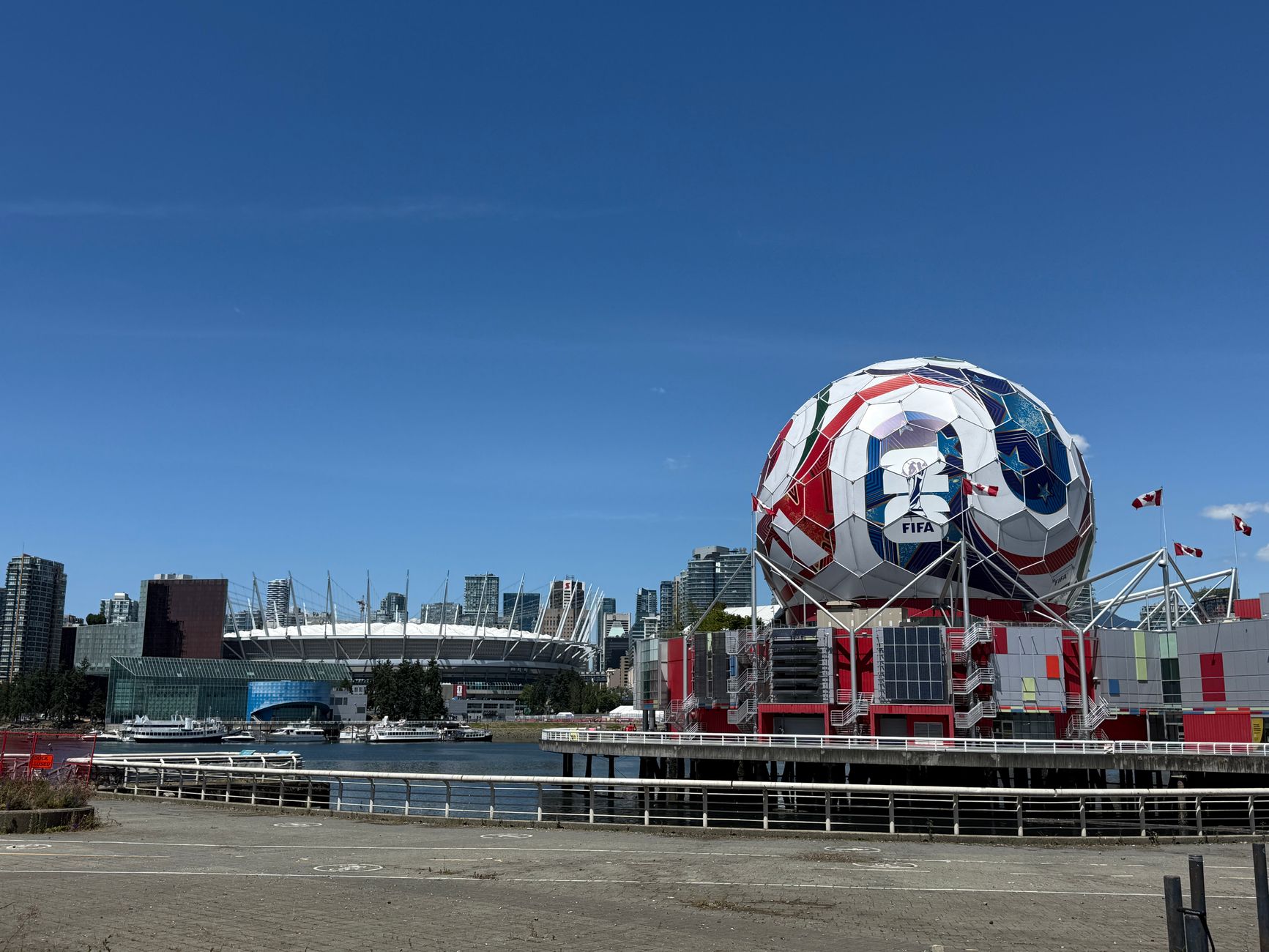
Photo by The Six on Pexels
Common pitfalls to avoid when betting on the 2026 World Cup
Even experienced bettors stumble on predictable mistakes during World Cup cycles. The most common are:
- Overweighting recent club form, when national-team cohesion and tactical familiarity matter more in a six-week window
- Ignoring the third-game group-stage effect, where teams already qualified sometimes rotate heavily, distorting handicap lines
- Chasing outright-winner futures too early, before injury news and friendly results provide actionable signal
- Mismanaging bankroll across the expanded 104-match slate, which tempts bettors into over-exposure
- Underestimating climate and travel logistics, particularly for matches played in Miami, Houston, and Monterrey during June-July
According to a 2023 report from the International Centre for Sport Security, tournament integrity frameworks in 2026 will include enhanced FIFA bet-monitoring protocols shared with licensed operators in regulated jurisdictions, a structural change worth understanding before building any multi-leg positions.
The 30-day check-in before kickoff
With kickoff scheduled for June 11, 2026 at Estadio Azteca in Mexico City, the final month before the tournament is when odds consolidate and sharp money becomes visible. Bettors should run a structured checklist 30 days out:
- Confirm starting XI projections for all 48 teams using Football Insights daily roster updates
- Compare opening outright-winner odds against current prices to identify market drift
- Lock in group-stage totals and Asian handicap lines before news-driven steam moves
- Build a knockout-round bracket model accounting for the new best-third-placed advancement rules
- Set a per-match unit size to survive the 104-game schedule without over-exposure
As FIFA President Gianni Infantino noted in 2024, the 2026 tournament is "the most inclusive and accessible World Cup in history," and that accessibility extends to the betting ecosystem, with licensed operators in markets including the United Kingdom, Brazil, and Ontario, Canada, offering expanded in-play markets on every fixture.

Photo by Franco Monsalvo on Pexels
[Internal Link: World Cup outright winner odds tracker]
Want deeper tactical previews on every group? Football Insights covers match predictions, team tactics, and player stats for the 2026 World Cup, with daily insights designed for fans tracking every fixture from June through July 2026.
Frequently Asked Questions
Q: How does the 2026 World Cup format differ from previous tournaments?
A: The 2026 FIFA World Cup features 48 teams, 12 groups of 4, and 104 total matches, compared to 32 teams, 8 groups, and 64 matches in 1998-2022. The top two teams from each group plus the eight best third-placed teams advance to a 32-team knockout round, according to FIFA's official format announcement.
Q: Which cities will host 2026 World Cup matches?
A: 16 cities will host matches across three countries. The United States has 11 venues including MetLife Stadium in New Jersey, SoFi Stadium in Los Angeles, and AT&T Stadium in Arlington. Mexico contributes Estadio Azteca, Estadio BBVA, and Estadio Akron. Canada hosts in Toronto and Vancouver. The final is scheduled for MetLife Stadium on July 19, 2026.
Q: What are the best betting markets for the 2026 World Cup?
A: Group-stage totals, Asian handicaps, and both-teams-to-score markets historically offer the most value for bettors because bookmaker pricing is thinner on lower-ranked matchups. Outright-winner and top-scorer futures reward early position-taking before injury news crystallizes squads.
Q: How can bettors identify value in expanded 48-team tournaments?
A: Focus on group-stage matches involving teams ranked 30-50 by FIFA, where pricing precision drops. Track playoff-qualified teams for fatigue effects, monitor altitude and travel logistics for Mexico venues, and compare opening outright-winner odds against movement in the final 30 days before kickoff.
Q: Is the 2026 World Cup longer than previous tournaments?
A: Yes. The 2026 tournament runs from June 11 to July 19, 2026, spanning 39 days. The 2022 Qatar World Cup ran 29 days, and the 2018 Russia edition ran 32 days. The extended window reflects the additional 40 matches in the new format.
Q: What regulatory protections exist for World Cup bettors in 2026?
A: Licensed operators in regulated jurisdictions including the United Kingdom Gambling Commission, the Ontario Alcohol and Gaming Commission, and Brazil's Secretaria de Prêmios e Apostas offer consumer protections including deposit limits, self-exclusion tools, and dispute resolution. Bettors should verify operator licensing before placing any wager.
Q: How should bankroll be structured across 104 World Cup matches?
A: Industry guidance suggests allocating 1-2% of bankroll per unit, capping total tournament exposure at 15-20% of bankroll to survive variance across 104 fixtures. The expanded schedule increases temptation to over-bet, so disciplined staking is more critical than in 64-match editions.
[Internal Link: complete guide to World Cup betting markets]

Photo by Stefan Coders on Pexels
Football Insights delivers daily match predictions, tactical breakdowns, and player stat coverage for the 2026 World Cup, built for fans and bettors tracking every fixture from the opening match at Estadio Azteca through the July 19 final at MetLife Stadium. Get the analysis before kickoff and stay ahead of every odds shift.
Thank you for reading.
Football Insights · Editorial Vault