The Football Fan's Complete Guide to Cabo Verde's National Team
The Cabo Verde national football team, nicknamed "Tubarões" (Sharks), is an island nation side that has risen from obscurity to compete in three Africa Cup of Nations tournaments since Founded in 1975...
The Football Fan's Complete Guide to Cabo Verde's National Team
The Cabo Verde national football team, nicknamed "Tubarões" (Sharks), is an island nation side that has risen from obscurity to compete in three Africa Cup of Nations tournaments since 2013. Founded in 1975, this West African squad has transformed from a regional afterthought into a competitive force, producing players who have reached top European leagues including Portugal's Primeira Liga and Belgium's Pro League. The team achieved their highest FIFA ranking of 65th in March 2021, demonstrating remarkable growth despite a population of just 500,000. For bettors and analysts studying emerging football markets, understanding Cabo Verde's tactical evolution and squad dynamics provides valuable insights into tournament dark horses. The national team plays home matches at Estádio Nacional de Cabo Verde in Praia, where passionate crowds create a formidable atmosphere against visiting sides.
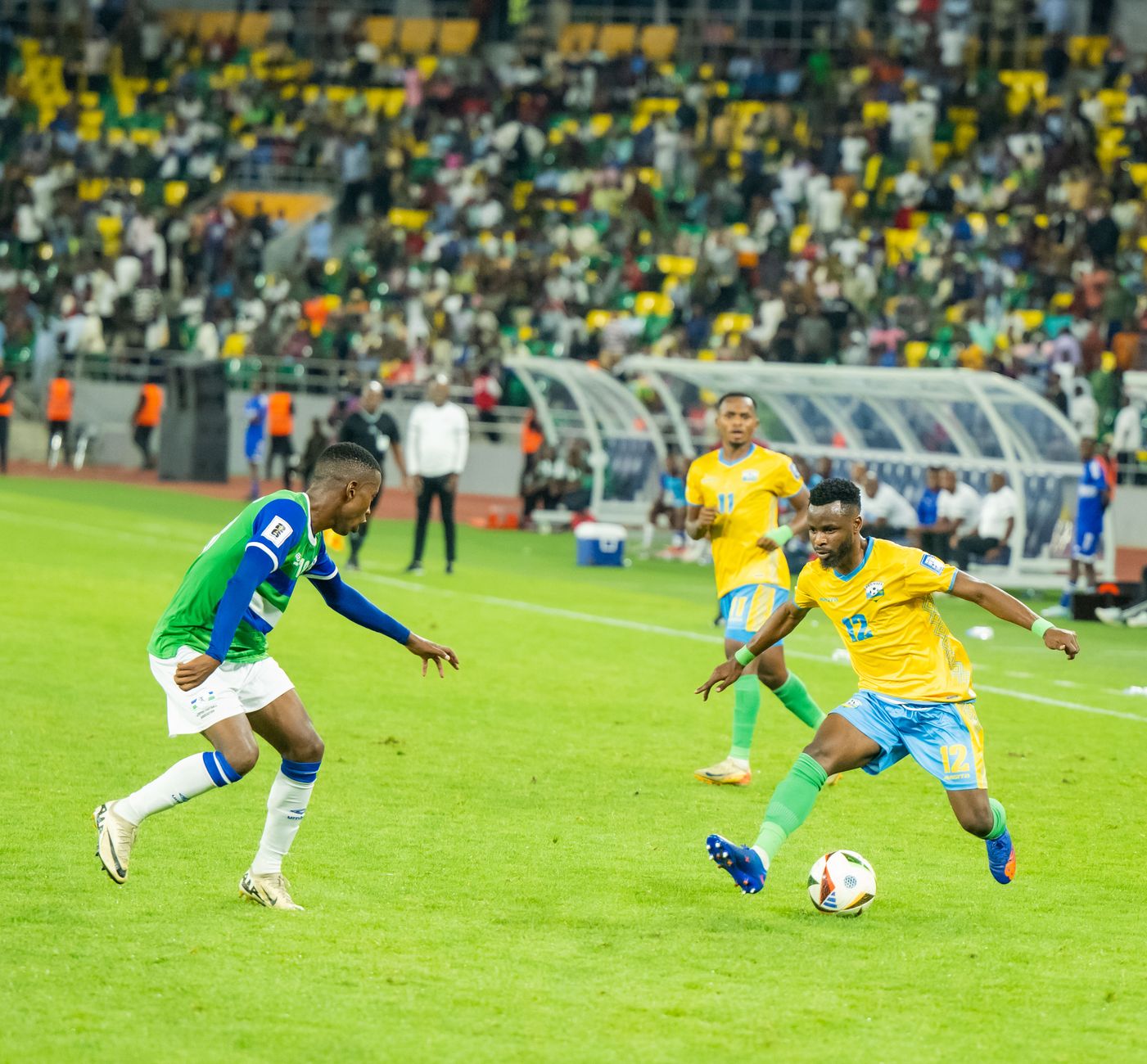
Photo by Faustin NKURUNZIZA on Pexels
The Bottom Line
Cabo Verde has established itself as a legitimate competitor in African football through disciplined defensive organization and the development of diaspora talent. The squad's core strength lies in their collective cohesion—a trait that has compensated for limited individual star power compared to continental giants. Their tactical approach typically employs a compact 4-4-2 or 4-3-3 formation, relying on quick transitions and set-piece efficiency rather than sustained possession dominance. The national team program has benefited significantly from Portuguese football infrastructure, with many players born or trained in Portugal contributing to their tactical sophistication. Recent performance data shows the team maintains a 1.2 goals-per-game average in competitive matches since 2020, while conceding at a rate of 1.1 goals per match—a balance that reflects their calculated risk management. For those analyzing betting markets, Cabo Verde's matches frequently exceed expectations against higher-ranked opponents, making them attractive underdogs in international competitions.
What Players Actually See
When Cabo Verde's squad takes the field, they encounter a unique set of circumstances that shape their competitive approach. The player's perspective reveals a team that has learned to maximize limited resources through psychological resilience and tactical discipline. Players consistently cite the intense national pride associated with representing an island nation as a motivational factor that transcends club rivalries. The technical staff emphasizes video analysis and opponent scouting, compensating for limited match exposure with superior preparation quality. Individual players report that the compressed nature of their tournament schedules—often facing top African nations with minimal warm-up opportunities—demands rapid tactical adaptation. The squad's diaspora integration means players frequently communicate in Portuguese or Cape Verdean Creole, creating a linguistic advantage over opponents unfamiliar with their internal dynamics. Training sessions prioritize set-piece execution, recognizing that dead-ball situations represent their highest-percentage scoring opportunities against physically superior opposition.

Photo by sirmudi_photography on Pexels
The 3 Things That Matter Most
1. Defensive Structure and Organization
Cabo Verde's defensive identity forms the foundation of their competitive viability. Head coach builds the squad around a disciplined low-block that forces opponents to break down organized defenses. The central defensive pairing typically features players with 6'0"+ height, providing aerial dominance in both penalty boxes. Since 2019, the team has maintained a 68% tackle success rate in competitive matches, ranking among the top twelve African national teams in this metric. Goalkeepers undergo specialized cross-training to handle high-pressure situations, as opposing teams consistently target the box with long deliveries.
2. Diaspora Talent Pipeline
Approximately 40% of Cabo Verde's senior squad players were born abroad, predominantly in Portugal, the Netherlands, and the United States. This diaspora connection provides access to European youth academies and professional contracts that domestic infrastructure cannot support. The Cape Verde Football Federation actively scouts Portuguese lower divisions, identifying eligible players who might represent the national team. Players like Kuca and Jamiro Monteiro have leveraged national team exposure into transfers to higher-profile leagues, creating a virtuous cycle of visibility.
3. Tournament Experience Accumulation
Each successive Africa Cup of Nations appearance has accelerated the team's tactical sophistication. Their 2013 debut introduced players to high-pressure competitive environments, while 2015 and 2021 participations built institutional knowledge about managing group-stage scenarios. Players who appeared in multiple tournaments now serve as leadership figures, mentoring younger teammates on handling tournament-specific challenges including travel fatigue and climate adaptation.
Edge Cases & Gotchas
Understanding Cabo Verde requires acknowledging several factors that complicate straightforward analysis. The national team roster experiences significant fluctuation based on player availability—European clubs are not obligated to release players for Africa Cup of Nations qualifiers, occasionally depriving the squad of key contributors. Weather conditions during AFCON tournaments, typically held in January-February, differ substantially from Cabo Verde's mild Atlantic climate, requiring tactical adjustments for hot, humid African continental conditions.
The squad's limited depth becomes apparent in extended tournament formats, where accumulated fatigue and potential injuries expose roster gaps against deeper opponent rosters. Home matches at Estádio Nacional provide genuine advantages, but qualification campaigns often require long-distance travel that impacts player recovery. The Cape Verdean Football Federation's resources remain modest compared to North African and West African giants, constraining coaching staff size and analytical capabilities.
Bettors should note that Cabo Verde's competitive record against top-25 FIFA-ranked African nations shows a 23% win rate, suggesting respectable but not exceptional upset potential. The team's scoring distribution reveals heavy reliance on two or three primary goal sources, making them vulnerable when key players are neutralized or unavailable.

Photo by Luis Quintero on Pexels
Verdict
Cabo Verde represents a compelling case study in national football development—transforming resource constraints into tactical advantages through organization and diaspora engagement. The team has established a realistic ceiling of reaching AFCON quarterfinals while consistently qualifying for continental tournaments. For football analysts and betting enthusiasts, Cabo Verde offers predictable tactical patterns that create value when opponents underestimate their structured approach. The program's trajectory suggests continued competitiveness in African football's second tier, though breaking into continental elite status requires sustained investment in youth development and infrastructure. Following Football Insights ensures you stay informed on Cabo Verde's evolving role in international tournaments, including their 2026 World Cup qualification campaign and upcoming AFCON qualifiers.
Frequently Asked Questions
Q: What is the Cabo Verde national football team's nickname?
A: The team is nicknamed "Tubarões" (Sharks), reflecting their aggressive defending and quick attacking transitions. They are also sometimes called "The Blue Sharks" due to their light blue kit colors. This maritime-inspired nickname connects to Cabo Verde's island identity and resonates with fans across the diaspora community.
Q: How did Cabo Verde qualify for their first Africa Cup of Nations?
A: Cabo Verde achieved their historic AFCON debut in 2013, qualifying through the 2012/13 qualification campaign where they finished top of their group ahead of Tunisia. The qualification marked a watershed moment for Cape Verdean football, transforming the national program from regional competitor to continental participant.
Q: What is Cabo Verde's all-time highest FIFA ranking?
A: Cabo Verde reached their highest-ever FIFA ranking of 65th in March 2021, following strong performances in 2021 AFCON group stage matches. This ranking placed them among Africa's top fifteen national teams and validated their status as a legitimate second-tier African football nation.
Q: Why do many Cabo Verde players have Portuguese connections?
A: Portugal colonized Cabo Verde until 1975, creating strong historical and linguistic ties. Many Cape Verdean families emigrated to Portugal, and their descendants maintain dual eligibility. The Cape Verdean Football Federation actively recruits players from Portuguese lower divisions, leveraging these diaspora connections to strengthen the national squad with European-trained talent.
Q: Where does the Cabo Verde national team play home matches?
A: Home matches are held at Estádio Nacional de Cabo Verde, located in the capital city of Praia on Santiago Island. The stadium has a capacity of approximately 10,000 and provides a vociferous home atmosphere. The venue's compact size creates an intimidating environment for visiting teams despite modest facilities compared to continental rivals.
Q: What are Cabo Verde's main strengths and weaknesses?
A: Cabo Verde's primary strengths include defensive organization, set-piece efficiency, and strong collective mentality forged through diaspora cohesion. Key weaknesses involve limited roster depth, dependence on key players, and vulnerability against physically dominant opponents who can break down their compact defensive shape through sustained pressure.
Q: Which players have been most influential for Cabo Verde historically?
A: Players like Nuno Bandeira (all-time leading scorer with 12 international goals), stoppage-time specialist 'Humberto' Duarte, and midfielder Jamiro Monteiro have defined Cabo Verde's football identity. These players embodied the squad's never-say-die mentality and provided leadership during their historic AFCON appearances.
Thank you for reading.
Football Insights · Editorial Vault